
How to Choose the Right Interior Design Style for Your Home
Choosing the right interior design style is the foundation of a beautiful and functional home. This guide helps homeowners understand popular interior styles, assess personal preferences, and make informed design choices that suit their lifestyle and space.
12/23/20252 min read
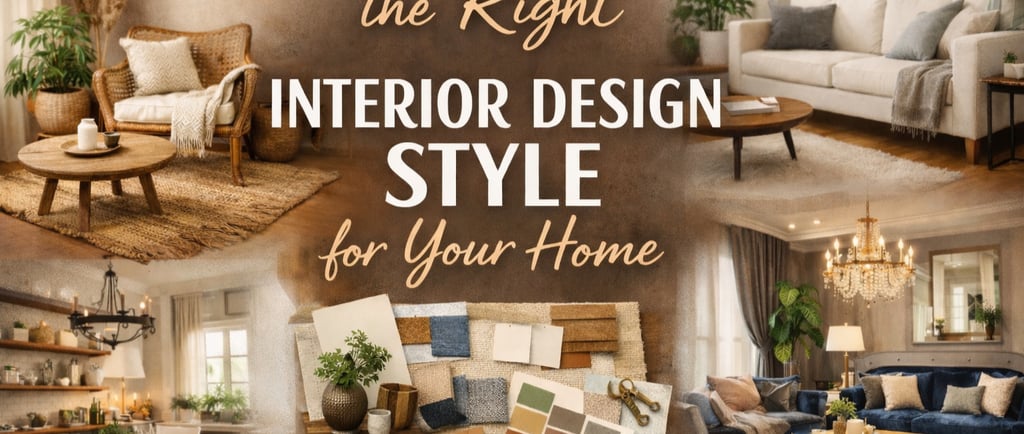
Designing your home is an exciting journey, but choosing the right interior design style can feel overwhelming. With so many options available—modern, contemporary, traditional, minimalist, and more—it’s important to select a style that matches your lifestyle, personality, and space. This guide will help you confidently choose the perfect interior design style for your home.
1. Understand Your Lifestyle and Daily Needs
Your interior design should support how you live every day. A busy family may need durable materials and ample storage, while a working professional might prefer a clean, low-maintenance setup.
Ask yourself:
Do I entertain guests frequently?
Do I need child-friendly or pet-friendly spaces?
Do I prefer functionality over decoration?
Understanding your lifestyle is the first step in choosing the right interior design style.
2. Explore Popular Interior Design Styles
Familiarizing yourself with different interior design styles helps you narrow down what truly resonates with you.
Modern Style
Clean lines, neutral colors, and minimal décor define modern interiors. Ideal for those who love simplicity and clutter-free living.
Contemporary Style
Often confused with modern, contemporary design focuses on current trends and flexibility, using bold accents and sleek finishes.
Traditional Style
This style features classic furniture, rich colors, and elegant details. Perfect for homeowners who appreciate timeless charm.
Minimalist Style
Less is more. Minimalist interiors emphasize functionality, open spaces, and subtle color palettes.
Scandinavian Style
Known for light colors, natural materials, and cozy aesthetics, Scandinavian interiors are perfect for warm and inviting homes.
3. Assess Your Space and Architecture
Your home’s layout, size, and natural lighting play a crucial role in determining the best interior design style.
Small homes benefit from minimalist or modern designs
Large spaces can accommodate traditional or luxury styles
Natural light enhances neutral and light color palettes
Choosing a style that complements your home’s structure ensures better visual balance and comfort.
4. Identify Your Color and Material Preferences
Colors and materials significantly impact the mood of a space. Neutral tones offer versatility, while bold colors add character.
Light colors make spaces feel larger
Dark tones add depth and elegance
Wood, glass, and metal finishes define different styles
Pick materials and colors that reflect your taste and long-term comfort.
5. Create a Mood Board for Inspiration
Collect images, textures, and furniture ideas from magazines, social media, or design websites. A mood board helps you visualize your preferred style and avoid mismatched design choices.
6. Set a Realistic Budget
Your budget influences the scale and detailing of your interior design. Some styles require high-end finishes, while others focus on simplicity and cost-effectiveness.
A well-planned budget ensures your chosen style is achievable without compromising quality.
7. Consult a Professional Interior Designer
A professional interior designer understands space planning, lighting, materials, and aesthetics. Expert guidance ensures your home looks cohesive, functional, and timeless while avoiding costly mistakes.
Choosing the right interior design style for your home is about balancing aesthetics, functionality, and personal taste. By understanding your lifestyle, exploring design styles, and planning carefully, you can create a space that truly feels like home. Whether you prefer modern minimalism or classic elegance, the right design choice transforms your house into a comfortable and stylish sanctuary.
ALH Infratech is known for creative, high-quality interior design solutions at affordable prices. Led by Waseem and Naeem Ahmed, we’re proud to be among the best interior designers in Delhi, delivering thoughtful spaces that reflect style and purpose.
info@alhinfratech.com
+91 9871114045
© 2025 ALH Infratech Interior Designs. All rights reserved.


Quick Links
Our Services
Follow Us
Get In Touch
E-62 Upper Ground Greater kailash Part-2 Near DLF Queens Court New Delhi-110048