
Modern vs Contemporary Interior: What’s the Difference?
This blog explains the difference between modern and contemporary interior design, highlighting their origins, characteristics, color palettes, materials, and how to choose the right style for your space.
1/5/20262 min read
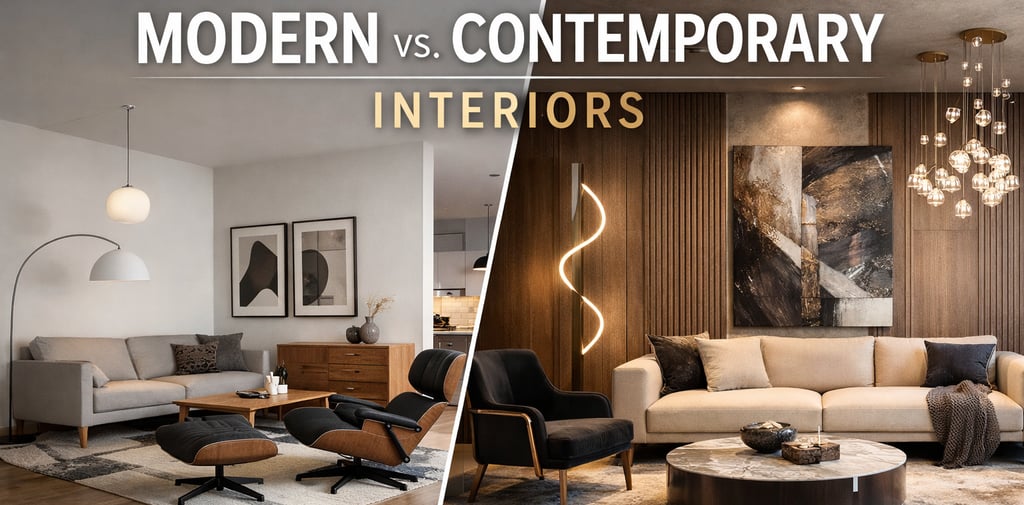
When it comes to interior design, modern and contemporary styles are often confused. While they may look similar at first glance, these two design approaches have distinct origins, characteristics, and philosophies. Understanding the difference between modern vs. contemporary interiors can help you make better design choices for your home or workspace.
Let’s break it down in a simple and practical way.
What Is Modern Interior Design?
Modern interior design refers to a specific design movement that originated in the early to mid-20th century, particularly from the Bauhaus and Scandinavian design movements.
Key Characteristics of Modern Interior:
Clean lines and simple forms
Minimal ornamentation
Functional furniture
Natural materials like wood, leather, and stone
Neutral color palettes with earthy tones
Open floor plans
Modern interiors focus on the idea that form follows function. Every piece has a purpose, and clutter is kept to a minimum.
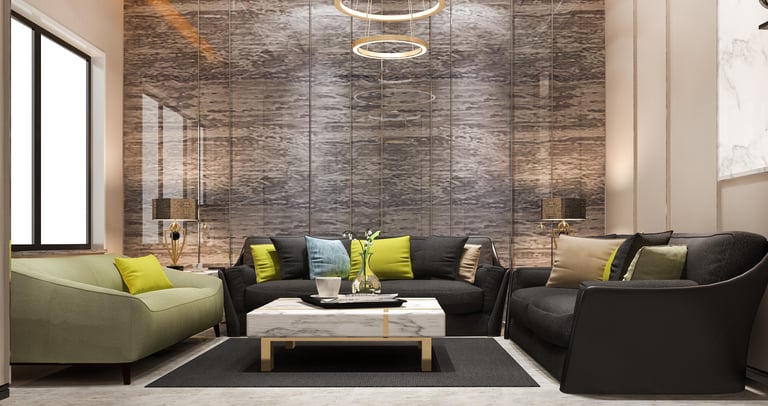
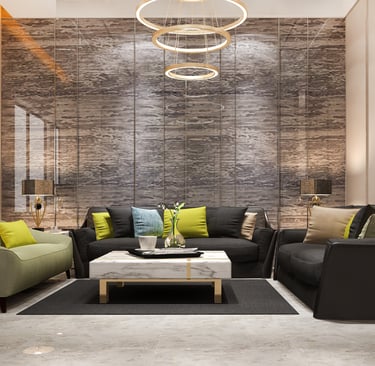
What Is Contemporary Interior Design?
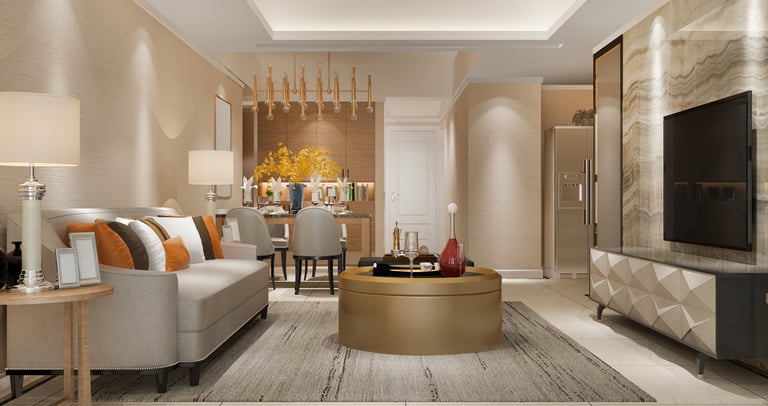
Contemporary interior design, on the other hand, refers to what is trending right now. It is constantly evolving and reflects current design preferences rather than a fixed historical style.
Key Characteristics of Contemporary Interior:
Fluid and adaptable design
Bold contrasts and statement pieces
Neutral bases with pops of color
Mixed materials like glass, metal, and concrete
Sleek finishes and smart lighting
Emphasis on open, airy spaces
Unlike modern design, contemporary interiors change over time, adapting to new trends, technology, and lifestyles.
Modern vs. Contemporary Interior: Key Difference
Aspect:
When comparing interiors, the main aspects include time period, design philosophy, materials, color palette, furniture, and lighting. These elements together define the overall look and feel of a space and help distinguish one interior style from another.
Modern Interiors:
Modern interiors are rooted in the early to mid-20th century and emphasize function over form. They use natural materials such as wood, leather, and stone, with earthy neutral color palettes. Furniture is structured and minimal, and lighting remains simple and functional, focusing on practicality and clean lines.
Contemporary Interiors:
Contemporary interiors represent the present and are constantly evolving with current trends. This style blends comfort with aesthetics, often featuring materials like glass, metal, and concrete. Neutral tones are paired with bold accents, furniture is more curved and flexible, and lighting is layered and expressive, often serving as a statement element in the space.
Which Interior Style Is Right for You?
Choose modern interior design if you:
Love timeless, structured spaces
Prefer minimal decor
Appreciate classic design principles
Choose contemporary interior design if you:
Enjoy following design trends
Like experimenting with textures and finishes
Want a more dynamic and evolving space
You can also blend both styles to create a balanced and personalized interior that feels both timeless and current.
Can Modern and Contemporary Interiors Work Together?
Absolutely. Many designers combine the clean structure of modern design with the comfort and flexibility of contemporary interiors. This hybrid approach creates spaces that feel elegant, practical, and stylish without being too rigid or trend-dependent.
Understanding the difference between modern vs. contemporary interiors helps you design a space that truly reflects your personality and lifestyle. While modern design is rooted in history, contemporary design evolves with time. Both styles offer unique advantages—and when used thoughtfully, they can even complement each other beautifully.
If you're planning a home makeover, knowing these distinctions can make all the difference.
ALH Infratech is known for creative, high-quality interior design solutions at affordable prices. Led by Waseem and Naeem Ahmed, we’re proud to be among the best interior designers in Delhi, delivering thoughtful spaces that reflect style and purpose.
info@alhinfratech.com
+91 9871114045
© 2025 ALH Infratech Interior Designs. All rights reserved.


Quick Links
Our Services
Follow Us
Get In Touch
E-62 Upper Ground Greater kailash Part-2 Near DLF Queens Court New Delhi-110048